
Low vision is a condition that covers a range of visual impairments, which can occur when traditional corrective measures like glasses or contact lenses cannot restore clear and functional vision. It causes individuals to face difficulties that can affect their everyday lives.
Low vision disability can result from a variety of underlying conditions that damage or impair the eyes. Low vision causes include age-related macular degeneration, glaucoma, diabetic retinopathy, cataracts, and inherited retinal disorders. In some cases, eye injuries, infections, or complications from other health conditions can also lead to low vision. Such issues affect the retina, optic nerve, or other vital structures of the eye, leading to reduced visual function that cannot be fully corrected with glasses, contact lenses, or surgery.
For those experiencing low vision, it’s more than a matter of seeing less clearly; it’s about adapting to a new reality and finding innovative ways to live life to the fullest. They need to seek solutions and support to regain their good quality of life.
The Centre for Sight dedicates itself to addressing low vision, offering advanced low vision treatments and providing support to those facing these challenges. By understanding the intricacies of low vision and sharing valuable insights, we raise awareness, empower individuals, and help them overcome the hurdles that this condition may present.
Low vision makes daily tasks significantly more challenging. Individuals with this condition may experience difficulty reading, recognising faces, or moving around unfamiliar environments. Routine activities such as reading, writing, or navigating public spaces can become arduous for those with low vision.
The severity and type of symptoms vary depending on the underlying cause, but they often include reduced visual clarity, restricted peripheral vision, and sensitivity to light. The following are common symptoms of low vision:
Various types of low vision problems encompass conditions that limit visual capabilities, affecting individuals in distinct ways.
These conditions manifest differently, affecting aspects such as visual acuity, color perception, and peripheral vision. Precise identification of the specific low vision type is crucial for tailoring effective interventions, providing individuals with the best strategies to navigate daily activities and improve their overall quality of life.
Identifying the initial symptoms of low vision is crucial for seeking timely medical intervention. These symptoms may include difficulty reading, recognizing faces, seeing in dimly lit environments, or a noticeable reduction in central or peripheral vision. Often, people may mistake these changes as part of the natural ageing process and neglect to visit an eye doctor. However, it is vital to be vigilant and contact an eye specialist when you feel the need for low vision aids.
If you or a near one experiences persistent vision problems that hinder their daily routine activities, it’s recommended to consult an eye specialist without any delay. Be it difficulty reading headlines, differentiating colors or following traffic rules, early detection is the key to avoid any unprecedented eye complications.
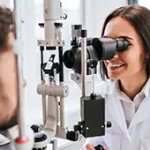
A comprehensive eye checkup is the first and foremost step in diagnosing low vision. This assessment includes visual acuity tests, field of vision evaluation, and a detailed medical history review. It helps your eye doctor to understand the degree and underlying reasons of low vision or low eyesight, to be able to create a personalized and comprehensive treatment plan.
Treatment for low vision is highly customized, as it depends on the specific needs and goals of the patient. In addition to low vision glasses, it may involve low vision Aids and devices like magnifiers or telescopic lenses, to enhance remaining vision. Also, rehabilitation programs focus on teaching adaptive strategies for daily tasks and improving overall quality of life. For people with eye conditions causing low vision, medical and surgical interventions may also be required, depending on the diagnosis.
At the Centre for Sight, we offer a range of commonly used low vision aids to enhance visual capabilities. Our selection of low vision aids includes stand magnifiers, magnifying spectacles, eyeglasses, contact lenses, and video magnifiers. These aids are designed to address various visual needs, providing individuals with impaired vision the tools they require to navigate daily activities with increased ease and independence. Explore our offerings at Centre for Sight – Low Vision Aids for personalized solutions tailored to your unique requirements.
Low vision aids work by using advanced technology and design to improve the remaining vision of individuals with sight problems. Stand magnifiers, magnifying spectacles, eyeglasses, contact lenses, and video magnifiers use lenses or cameras to enlarge and clarify images, making them easier to see. These aids may also include features to boost contrast, such as high-contrast materials. By customised to each person’s needs, these aids help individuals with low vision participate more fully in daily activities, supporting independence and a better quality of life.
After receiving low vision aids, recovery and rehabilitation should focus on maximising the remaining vision and improving quality of life, rather than attempting to restore full eyesight. Aftercare involves regular eye check-ups to monitor disease progression and manage underlying conditions such as glaucoma, macular degeneration, or diabetic retinopathy. Rehabilitation may include vision therapy, assistive devices like magnifiers or screen readers, and orientation or mobility training to support independence. With proper rehabilitation and consistent aftercare, individuals with low vision can gain greater confidence and maintain functional independence.
The cost of low vision aids in India depends on the type of device required, with prices ranging from around ₹500 for simple magnifiers to ₹60,000 or more for specialized electronic devices. Basic optical aids, such as magnifying glasses, usually cost between ₹1,000 and ₹5,000, while advanced electronic solutions like screen readers, digital magnifiers, or specialized software may range from ₹20,000 to ₹1,50,000. Factors such as brand, functionality, customization, and whether the aid is imported or locally manufactured also influence the overall cost.
Explore our range of low vision aids at Centre for Sight, including stand magnifiers, magnifying spectacles, eyeglasses, contact lenses, and video magnifiers. These aids utilize advanced technologies to enhance visual abilities, providing personalized solutions for improved daily functionality and increased independence.
When it comes to low sight aids, Centre for Sight is a trusted name for many compelling reasons. We offer specialized care, cutting-edge technology, and a compassionate approach to help people with low vision.
Our experienced team of eye specialists is renowned for its expertise in treating low vision and providing tailored solutions for each patient. At Centre For Sight, we offer a range of advanced eyesight aids mentioned above to empower our patients.
What sets the Centre for Sight apart is its commitment to holistic care. We provide low vision aids and also offer comprehensive rehabilitation services, equipping patients with the skills and strategies to live confidently. Choose us for a brighter future. Your vision and comfort are our priorities.
Aids for poor vision reading include magnifying glasses, handheld or stand magnifiers, closed-circuit televisions (CCTVs), reading stands, large print books, and electronic devices with adjustable font sizes and contrast settings.
Tools for low vision include magnifiers, telescopes, electronic magnification devices, large print materials, specialized lighting, and screen reading software.
Some genetic conditions can cause low vision in some people.
A low vision clinic is a specialised clinic where people with low vision are given aids to maximize their remaining sight. Low vision treatment has been successful in providing sight to many lives.
Visual rehabilitation is a set of comprehensive procedures that involves treatment and education of people suffering from low vision. During the process, they are not only enabled with visual aids to see clearly, but they are also counselled well so that they live an independent life without any regrets. Through low vision treatment, numerous people can live an independent life.
With rapidly advancing technologies, a lot of patients with hereditary or acquired retinal diseases can now benefit from low vision aids. Augmented reality devices with in-built cameras are available to help the patient navigate outdoors and also function normally indoors. Devices such as the OxSight developed at Oxford University are available at Centre for Sight and have helped many patients with advanced diseases like Retinitis Pigmentosa (RP) see much better by improving their field of vision and giving them the ability to magnify and minify /images as required as well as improve colour and contrast. Contact our Low Vision Aid Clinic to get in touch with the best LVA specialist and get the best devices for your low vision needs.
Low vision aid management involves assessing individual needs, selecting appropriate aids, receiving training on how to use them effectively, and regularly updating aids as vision changes.
Low vision aids are devices or tools designed to help individuals with impaired vision perform daily tasks more comfortably and independently.
You can start with the following things to enhance visibility:
Since people with low vision are not able to see things clearly, they may face confusion in identifying what exactly is lying in front of their eyes. This raises the chance of tripping, accidents, etc.You can start with the following things to enhance visibility:
Listed below are some of the most commonly used low vision aids:
WhatsApp us