How to Choose the Right Sunglasses for Better Eye Protection?
- By Centre For Sight
- 7 minutes
Blog Summary
- The right sunglasses shield your eyes from harmful UV rays, and not just the intensity of sunlight
- Increased exposure to UV rays can lead to the development of cataracts, macular degeneration, and strained eyes
- UV400 or 100% UVA/UVB protection should be the first criterion for choosing good sunglasses
- Darkness of the lenses doesn’t mean that the eyes will definitely be safe
- Polarization reduces glare coming from roads, water bodies, and reflective objects
- Wrap-around styles of sunglasses give more protection to the eyes and skin
- Lens colour makes a difference as far as comfort and visibility go
- Inexpensive glasses may not offer enough UV protection for the eyes
- Good quality optics prevent headaches and distortions of your sight
- Comfortable and lightweight sunglasses are more suited to daily use
- Shopping at reputable optical stores will make your purchase more reliable
- Wearing proper sunglasses enhances the experience of driving or travelling to places
It is good to be outdoors and enjoy the sunshine, but getting exposed to harmful UV rays over time can harm your vision. Most people who wear sunglasses simply look at their design and affordability, ignoring how effective they are. In this blog post, you will learn how to choose sunglasses and the features you should look for when purchasing them to protect your eyes.
Importance of Wearing Sunglasses All-Year Round
For most people, wearing sunglasses is associated with fashion, road trips, or summer vacations. Yet, according to eye doctors, wearing sunglasses should be a year-round activity due to UV radiation.
According to eye health experts, excessive UV exposure can increase the risk of:
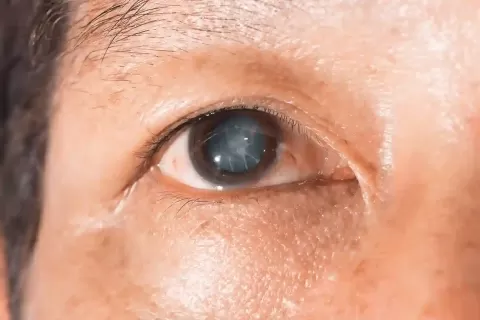
- Cataracts
- Macular degeneration
- Photokeratitis (sunburn of the eye)
- Eye strain and headaches
- Growth on the eye surface, such as pterygium
In metro cities, where heat, dust, and pollution levels are often high, sunglasses become even more important. Reflective surfaces such as roads, water bodies, and glass buildings can intensify glare and strain the eyes further.
This is exactly why learning how to choose sunglasses to protect eyes is essential, rather than treating sunglasses as a temporary fashion accessory.
Check UV Protection Before Anything Else
The most important feature to look for is the UV protection rating. When buying sunglasses, check the label or sticker for one of the following:
- 100% UV protection or “UV400: This indicates that the lenses provide protection against ultraviolet radiation up to 400 nanometres, covering both UVA and UVB radiation.
- Blocks 99–100% of UVB and UVA: Look for this specific wording; anything less is a compromise.
A pair labelled simply “UV protection” without a percentage or rating number is a red flag.
Pro tip: A darker lens does not mean better UV protection. The tint is about reducing visible light, not UV rays. A clear lens with a UV400 coating protects your eyes just as well as a dark one. Always check the label, not the colour.
Pick the Right Lens Type, Like Polarized Lenses
Polarization is a lens technology that filters out horizontally reflected light, the kind that causes blinding glare off water, roads, car bonnets, and snow. While it doesn’t add UV protection on its own, it dramatically improves visual comfort and safety.
This feature is especially critical for:
- Fishermen and boaters on India’s extensive coastlines from Goa and Kerala to the Andaman Islands where water reflection is intense.
- Cyclists and motorcyclists who navigate highways with heavy traffic and flat, reflective road surfaces.
- Skiers visiting hill stations, where snow reflects over 80% of UV light, nearly double what sand reflects.
A simple test to check if lenses are polarised: hold them up against another polarised surface (like a phone screen with anti-glare protection) and rotate. If the view darkens at a certain angle, the lenses are polarised.
Choose a Size and Fit That Provides Good Coverage
The skin around the eyes is particularly delicate and can also be exposed to UV radiation. Sunglasses with adequate coverage can provide additional protection to the eyes and surrounding skin. The skin here is exceptionally thin, similar to the skin on your lips, making it highly susceptible to UV-induced cellular damage. Standard small-frame sunglasses leave these areas completely exposed.
The solution is wraparound frames or oversized sunglasses that cover the entire orbital area, including the sides of the eyes. In terms of fashion, oversized frames have been popular for years. Think of the large retro-style frames available at stores, and the good news is that style and protection align perfectly here.
Look for frames that:
- Sit close to your face with a minimal gap between the lens edge and your brow
- Wrap slightly at the sides to block lateral light
- Cover the full area from eyebrow to cheekbone
4. Lens Colour: Style Choice or Functional Decision?
There is a common myth that darker sunglasses provide better eye protection. In reality, lens darkness mainly affects brightness perception, and UV coating determines actual protection.
So, when searching for how to pick the right sunglasses, remember that different lens tints serve different environments, and knowing this can sharpen your buying decision:
Grey Lenses
- Best for bright sunlight and driving
- Reduce overall brightness without altering natural colours
Brown/Amber Lenses
- Ideal for partly cloudy conditions and outdoor sports
- Enhance contrast and improve depth perception
Yellow/Orange Lenses
- Suitable for low-light conditions and early mornings
- Sharpen details and improve visibility in hazy or foggy weather
Green Lenses
- Great for everyday use and fishing
- Reduce glare while maintaining natural colour balance
Mirrored Lenses (Any Colour)
- Best for extreme sunlight and high-altitude environments
- Reflect additional light away from the eyes for enhanced comfort and protection
5. Never Buy Extremely Cheap Sunglasses
There are many reasons why some people choose to buy roadside sunglasses, as they look stylish and are inexpensive. However, poor-quality sunglasses are not only ineffective but also potentially dangerous to your eye health.
Here’s why:
- Your pupils expand due to dark lenses.
- Without UV protection, harmful UV rays reach your eyes.
- Low-quality optics can cause distorted vision and migraines.
When learning how to pick sunglasses, keep in mind that optical quality is crucial. It is better to purchase your sunglasses from reputable optical shops, eyewear manufacturers, and legitimate online retailers.
6. Frame Material Also Makes a Difference
Frames of the sunglasses affect comfort, durability, and long-term use. In India’s humid weather, lightweight and sweat-resistant frames usually feel more comfortable for everyday wear. Below are the details about some types of materials and their benefits.
Metal Frames
- Stylish and durable
- Suitable for everyday wear and long-term use
Plastic Frames
- Lightweight and affordable
- Available in a wide variety of styles and colours
Acetate Frames
- Offer a premium finish and appearance
- Flexible, comfortable, and available in unique designs
Nylon Frames
- Strong, lightweight, and impact-resistant
- Ideal for sports, outdoor activities, and active lifestyles
7. Check the Optical Quality Before Buying
A good pair of sunglasses should provide clear and distortion-free vision. Here’s a simple test:
- Hold the sunglasses at arm’s length
- Focus on a straight vertical line or object
- Slowly move the glasses side to side
- If the line bends, shifts, or appears wavy, the lenses can be defective
Distorted lenses can lead to:
- Eye fatigue
- Headaches
- Difficulty focusing
- Reduced driving comfort
Conclusion
Selecting the right sunglasses is not just about ensuring they match your attire. But it will also offer protection against the harmful effects of UV light, reduce glare, increase comfort, and improve vision.
Having learned how to choose the right sunglasses for eye protection, you should now consider other aspects such as UV protection, lens quality, coverage, and comfort rather than simply selecting the most fashionable or affordable glasses. This means you will be better able to preserve your vision and take care of your eyes.


Frequently Asked Questions
How can I determine whether my sunglasses have a genuine UV400 designation?
Do sunglasses have an expiry date?
Do children need sunglasses too?
Can I wear sunglasses over my prescription glasses?
Do photochromic lenses provide the same UV protection as regular tinted sunglasses?
Could not find what you are looking for?


