Dry Eyes After LASIK: A Common Post-Surgery Concern
- By Centre For Sight
- 5 minutes
Blog Summary
LASIK can temporarily disrupt tear production, causing dry eyes, irritation, and blurred vision. With timely treatment, lifestyle care, and medical guidance, most patients recover comfortably without long-term complications.
- LASIK affects corneal nerves, which temporarily reduces natural tear secretion.
- Pre-existing dryness and high screen exposure increase post-surgery discomfort risks.
- Most dry eye symptoms improve within six to twelve months.
- Preservative-free artificial tears remain the first-line dryness treatment option.
- Persistent dryness or blurry vision requires prompt ophthalmologist evaluation.
Dry eyes after LASIK are among the most frequently reported side effects of laser vision correction. Many patients experience dryness, irritation, or a gritty sensation shortly after surgery because LASIK temporarily affects the eye's natural tear mechanism during healing.
The cornea is critical in maintaining eye moisture through nerve signals that regulate tear production. During LASIK surgery, the corneal flap creation process severs some of these nerves, resulting in diminished feedback for tear secretion. While the nerves regenerate over time, patients may experience transient or prolonged dry eye symptoms.
What Causes Dry Eyes After LASIK
To understand what causes dry eyes after LASIK, it's important to know how the procedure works.
- LASIK involves creating a corneal flap and reshaping the cornea with a laser, which can disrupt corneal nerves responsible for tear production.?
- Damage or temporary interruption of these nerves may reduce tear secretion or affect tear quality.?
- Pre-existing dry eye conditions significantly increase the risk of post-LASIK dryness.
- Excess screen time also causes a lack of blinking which causes more evaporation of tears.
- Hormonal changes can affect tear film stability and natural lubrication.?
- Factors like low humidity, heating and cooling systems, air pollution, with added wind worsen the symptoms.
- Certain medications may contribute, while reduced or incomplete blinking during recovery can worsen dryness, irritation, and fluctuating vision.
Symptoms of Dry Eyes
LASIK dry eye symptoms vary in severity and may include:
- A gritty or sandy feeling in the eyes, as if there is a foreign body present
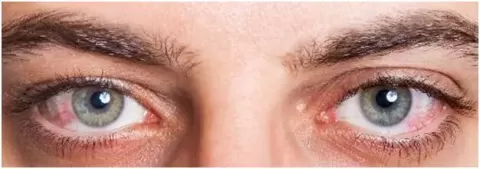
- Redness and irritation due to inadequate lubrication
- Burning or stinging sensation, particularly in dry or windy environments
- Blurry vision, especially after prolonged screen use, as the blinking frequency may decrease
- Sensitivity to light (photophobia), which may make it uncomfortable to be in bright environments
- Excessive tearing as a response to eye irritation, as the eyes attempt to compensate for dryness
- Difficulty wearing contact lenses post-LASIK, as dry eyes can make lens wear uncomfortable
Diagnosis for Dry Eyes
A comprehensive eye examination helps diagnose post-LASIK dry eye. Standard diagnostic tests include:
- Tear Break-Up Time (TBUT): Assesses tear film stability by measuring evaporation time. A short TBUT indicates tear film dysfunction.
- Schirmer's Test Measures tear production using a strip of filter paper placed under the lower eyelid. This test helps determine whether the eyes produce an adequate amount of tears.
- Ocular Surface Staining: Uses dyes like fluorescein or lissamine green to detect dry spots on the cornea. These stains highlight areas of damage caused by inadequate lubrication.
- Meibomian Gland Evaluation: Assesses the function of oil-secreting glands in the eyelids. Poor gland function may indicate an underlying cause of evaporative dry eye.
These symptoms typically peak in the first few weeks after surgery and gradually improve as the corneal nerves regenerate.
Treatment for Dry Eyes
Several dry eye treatment options are available depending on severity:
- Artificial tears: Preservative-free lubricating drops help maintain hydration and soothe irritation. These should be used frequently, especially in the first few months after surgery.
- Prescription eye drops: Anti-inflammatory medications such as cyclosporine (Restasis) or lifitegrast (Xiidra) help improve tear production by reducing inflammation in the tear glands.
- Punctal plugs: Tiny silicone or collagen plugs are inserted into tear ducts to retain moisture and prevent excessive tear drainage.
- Serum eye drops: Autologous serum tears derived from the patient's blood may be used in severe cases where standard treatments are insufficient.
- Moisture chamber glasses: Special glasses that help retain humidity around the eyes, preventing excessive evaporation of tears.
Remedies for Dry Eyes
In addition to medical treatments, several LASIK dry eye remedies can help relieve discomfort:
- Increase hydration: Drink adequate water to support tear production and prevent dehydration.
- Use humidifiers: Adding moisture to the air, especially in air-conditioned or heated environments, can prevent tear evaporation and improve eye comfort.
- Reduce screen time: Take breaks using the 20-20-20 rule (every 20 minutes, look at an object 20 feet away for 20 seconds) to prevent excessive eye strain and reduce blinking.
- Warm compresses: Apply a warm compress to the eyelids to stimulate oil secretion from the meibomian glands, improving tear quality.
- Omega-3 supplements: Consuming omega-3 fatty acids, found in fish and flaxseeds, may improve tear stability and reduce eye inflammation.
- Avoid irritants: Limit exposure to smoke, wind, and air conditioning, as these factors can worsen dry eye symptoms.
- Blinking exercises: Making a conscious effort to blink fully and frequently can help maintain a stable tear film.
Recovery & Management
Most cases of dry eyes after LASIK improve within three to six months as nerve regeneration occurs. However, managing symptoms effectively can enhance comfort during this period. Regular follow-ups with an ophthalmologist ensure timely interventions if necessary. Patients should adhere to post-surgical care guidelines, including:
- Using prescribed lubricating drops as directed
- Avoid rubbing the eyes, which can disrupt healing and worsen dryness
- Wearing protective eyewear in dry or windy conditions to shield the eyes from external irritants
- Following a balanced diet rich in antioxidants and omega-3s to support eye health
- Adopting a consistent eye care routine to prevent the recurrence of symptoms
When to See a Doctor for Dry Eyes
Consult an eye specialist if symptoms persist beyond six months or if there is:
- Severe discomfort affecting daily activities
- Persistent blurry vision that does not improve with artificial tears
- Increased redness or inflammation that worsens over time
- Lack of response to standard treatments despite adherence to prescribed therapy
- Any sudden or drastic changes in vision
Early intervention can help prevent complications and ensure a more comfortable post-LASIK experience.
Conclusion
Dry eyes after LASIK are a common but manageable post-operative concern. Understanding the causes, symptoms, and available treatment options can help individuals make informed decisions regarding their eye care. Early diagnosis and proactive management ensure long-term ocular comfort after LASIK surgery.
Ease post-LASIK discomfort and restore your eye health. Schedule a consultation with an eye specialist! Book Your Appointment
Frequently Asked Questions
How long do dry eyes last after LASIK?
Can LASIK cause permanent dry eyes?
What is the best way to treat post-LASIK dry eye?
Are there any home remedies for LASIK dry eye symptoms?
Does blinking help with dry eyes more?



Could not find what you are looking for?


